
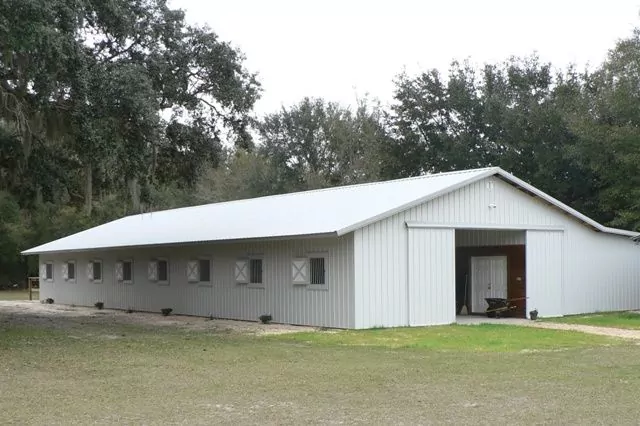
Annual or bi-annual inspection
- Walk around your roof (or have your installer do so) and check for: loose fasteners, damaged flashings, signs of corrosion, debris build-up.
- Ensure gutters and down-pipes are clear so water is not backed up onto the roof surface.
- Look for any places where leaves, pine-needles or branches accumulate – remove them to prevent moisture-trapping.
Cleaning and debris removal
- Use a soft broom or blower to remove debris; avoid abrasive methods that can scratch the finish.
- If you see moss, algae or mold (less common on metal but possible in shaded areas) — clean with a mild detergent and water, rinse thoroughly.
- Avoid using acidic or harsh chemicals that damage the protective coating.
Fasteners and sealants
- Verify that fasteners are still tight and not backing out; if they’ve loosened, re-tighten or replace as needed.
- Check sealants around flashings, penetrations (vents, skylights) — if they’re cracked or worn, re-apply appropriate metal‐roof compatible sealant.
Trim and accessories
- Inspect ridge caps, valley pans, flashing – these are often the first areas to show wear or cause leaks.
- Ensure any tree limbs or overhanging vegetation are trimmed back so they don’t scratch or scrape the metal finish.
Weather events and post‐storm check
- After a heavy storm, hail or strong wind event: do a quick check for dents, displaced panels, missing trims, or loose fasteners.
- Contact a professional if you suspect damage — early repair avoids bigger costs later.
Why maintaining matters
- Preserves your warranty: many metal roofing systems have long warranties that require proper maintenance.
- Enhances performance: energy efficiency, waterproofing, structural integrity all depend on how well the roof is maintained.
- Keeps your home looking good: metal roofing finishes look premium — preserving them keeps your curb-appeal high.
- Avoids costly problems: the cost to fix a neglected problem is far greater than routine care.