
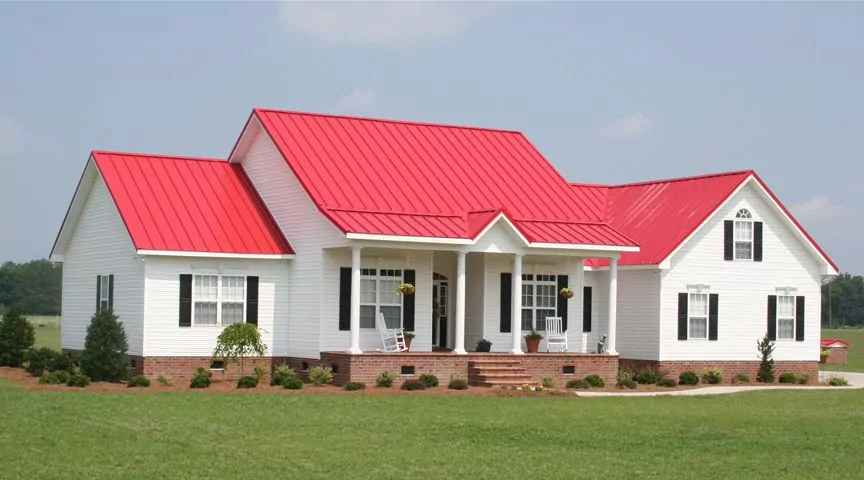
1. Profile and panel type
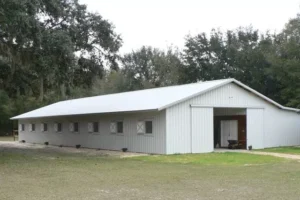
- Exposed fastener profiles: More cost-effective, commonly used in barns, garages, outbuildings.
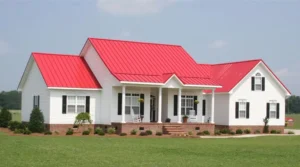
- Concealed fastener / standing seam profiles: More premium, sleek look, higher performance, ideal for upscale homes.
- Consider the roof’s pitch, shape, structural load, and any local regulations or code aspects.
2. Finish and color
- Choose a finish that suits your home’s style: classic, modern, rustic, etc.
- Also choose coatings with UV resistance, weather protection, and warranties.
- Lighter colors reflect heat better; darker colors have different aesthetics and thermal performance.
3. Accessories and detail work
- Flashings, trims, ridge caps, valley treatments, underlayment – these small parts matter a lot for performance and longevity.
- Proper sealing and installation details prevent leaks, corrosion, and future problems.
4. Contractor or DIY?
- While some smaller metal-roof-projects can be DIY, most homeowners benefit from a qualified installer familiar with metal roofing.
- Ask your supplier (like us) for recommended installers or check local reviews, ensure they have experience with the specific panel system you pick.
5. Cost vs value
- Metal roofing can cost more up-front than shingles, but the difference is often offset by longer lifespan, lower maintenance, and higher resale value.
- Ask for life-cycle cost comparisons: how much will it cost you over 20–30 years versus traditional roofing?
- Don’t compromise on quality of materials or installation — savings on the front end can cost you heavily later.